
AC Repair
Technicians follow a consistent inspection sequence that records measurements before any parts are replaced. Findings are written out so the owner can see which component is outside normal range and what the options are.
Get a quoteHVAC · Summit, MS 39666
Hauser HVAC handles HVAC work across Summit and Pike County.
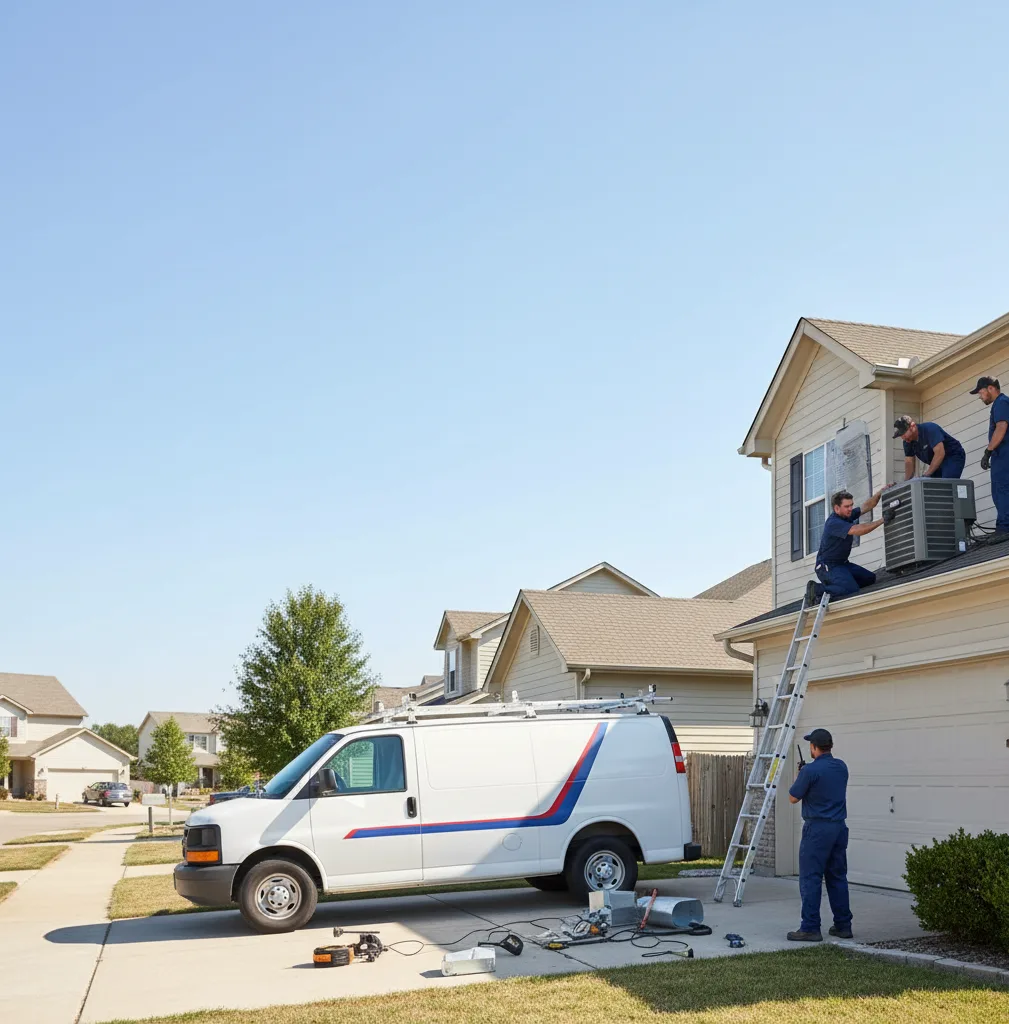
Technicians examine all major components to identify the root cause of any performance issue.
Every visit includes notes on equipment condition and recommended follow-up steps.
Replacement components are selected to match the specific model and age of the unit in place.
Services
Technicians follow a consistent inspection sequence that records measurements before any parts are replaced. Findings are written out so the owner can see which component is outside normal range and what the options are.
Get a quoteTechnicians follow a consistent inspection sequence on every furnace. Parts are chosen to fit the existing model rather than generic substitutes. Findings are written down so the homeowner understands what HVAC maintenance addressed.
Get a quoteWork centers on identifying the root cause of the malfunction and restoring the system to reliable operation. Technicians carry common replacement parts to complete most repairs during the initial visit when possible.
Get a quoteInstallations follow documented checklists that cover load calculations, placement clearances, and final performance verification. Each technician carries the tools and parts needed for standard residential setups.
Get a quoteTechnicians measure the house first, then select equipment that fits the actual heating load. All connections get tested on site before the crew leaves.
Get a quoteTechnicians follow a written checklist that covers safety devices, airflow, and electrical values. Findings are recorded so repeat visits can track changes rather than starting from scratch each time. The same checklist applies across properties so nothing is skipped based on location or equipment age.
Get a quoteTechnicians stick to a set sequence that starts with isolating the system and finishes with checking restored airflow. Equipment gets picked to match the duct material and layout instead of using one default setup.
Get a quoteTechnicians begin by measuring static pressure at multiple points along the supply and return lines. They compare those readings against the manufacturer specifications for the installed equipment. When pressure runs higher than expected, the next step is to locate restrictions such as crushed flex runs, closed dampers, or debris buildup inside the trunk line. Filters get removed and inspected for saturation, since a clogged filter immediately reduces volume and can cause the heat exchanger to overheat. Coils are checked for dust accumulation that narrows the gap between fins and blocks heat transfer. Once the source is confirmed, the technician explains the options for clearing or replacing the affected section before restoring normal operation.
A misreading sensor often produces short cycles or rooms that never reach the set temperature. The technician verifies that the thermostat is level, that the anticipator setting matches the system type, and that the wiring terminals show no corrosion or loose connections. Voltage drop tests are performed on the low-voltage circuit to rule out issues farther back at the control board. If the unit is older, the technician notes whether an upgrade to a programmable model would improve staging and reduce energy use without altering the existing equipment.
Why us
Consistent service standards in every area we reach
Hauser HVAC handles heating and cooling work for homes and businesses throughout Mississippi. Every project starts with an on-site assessment. The technician who performs that assessment is the one who carries out the work.
The technician who evaluates the HVAC needs is the same one who completes the installation or repair.
A written description of the scope and cost is provided before work begins, and any changes are confirmed in advance.
Common replacement parts are stocked on the van to reduce the need for follow-up visits.
Our process
The sequence begins with information gathering and ends with a written summary that the homeowner can keep. Each stage is completed before moving to the next so that findings from one step inform the work that follows.
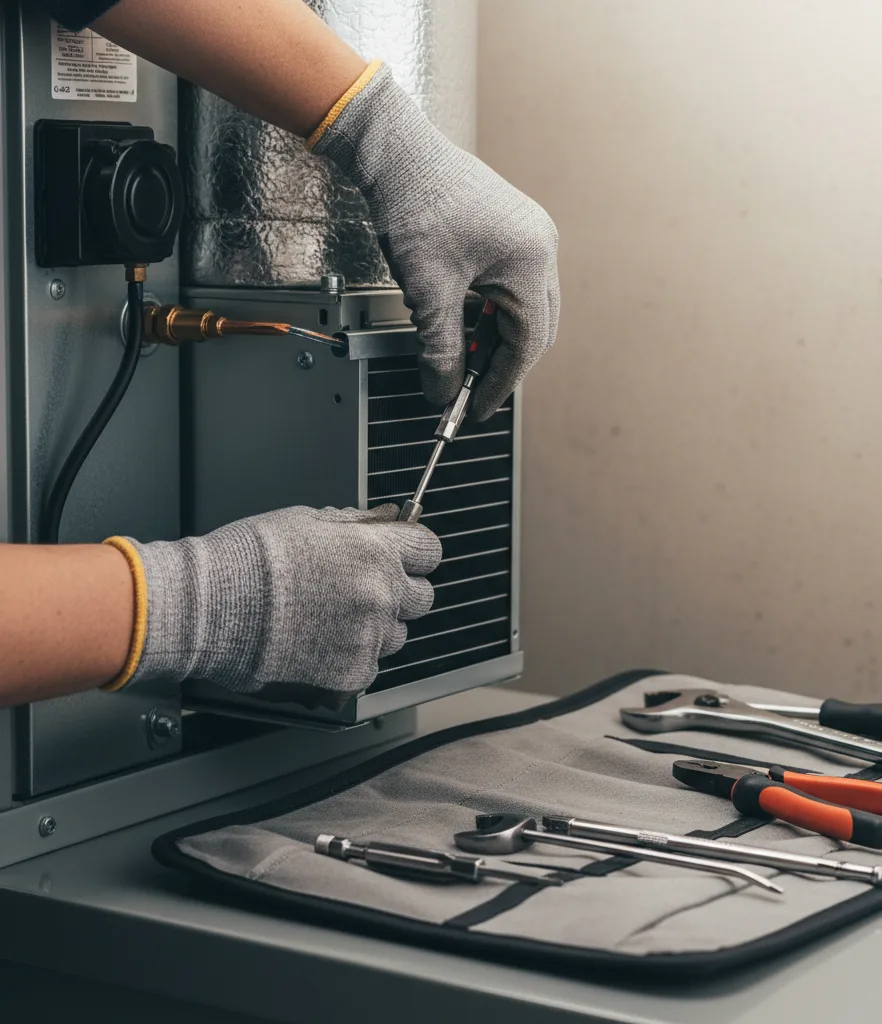
The process starts with a review of the homeowner’s description of the symptom and any recent changes to the system. The technician then performs a visual inspection of the outdoor unit, indoor air handler or furnace, and accessible duct runs. Electrical readings are taken at the contactor, capacitor, and blower motor while the system is operating. Refrigerant pressures are measured only after confirming that airflow is within acceptable limits, because low airflow can produce misleading pressure readings. Any findings are documented and reviewed with the homeowner before any parts are ordered or replaced.
Age of the equipment, frequency of prior service, and availability of matching parts all factor into the recommendation. When the compressor or heat exchanger shows wear consistent with the unit’s service life, the technician outlines the expected remaining years of reliable operation versus the cost of a new installation. Homeowners receive a written summary that includes model numbers and measured performance values so they can compare options without pressure to decide on the spot.
The ground beneath a home plays a role in how its structure holds up through the years. Summit is built on sandy loam. Weather patterns determine the demands placed on heating and cooling equipment throughout the year. Summit has hot summers and cool winters, heavy rainfall, and 31 nights below freezing.
Local water quality can influence the performance of certain HVAC components that involve water. Home systems must be selected and maintained with these factors in mind to deliver reliable performance. The presence of seasonal extremes also guides choices in equipment sizing and placement for consistent indoor comfort.
Hauser HVAC handles heating and cooling for homes and businesses all over Mississippi. Our techs answer calls from every part of the state and follow the same careful process on each visit. Local weather patterns, older homes, and newer construction shape the issues that come up, and we draw on that range of experience when checking equipment.
Every project starts with an inspection and a clear explanation of what we find. We lay out the options and costs before any work begins so homeowners can choose what suits them. Regular maintenance, system repairs, and full installations are handled with attention to detail and safety standards. Response times stay as short as conditions allow, and parts are matched to the equipment already in place.
Conditions vary across Mississippi, from humid summers to cooler winter periods. This range gives our technicians repeated exposure to different system demands and building styles. That experience helps us spot common patterns quickly while still looking at each property on its own terms. Homeowners get practical advice based on what we see rather than one-size-fits-all suggestions. The goal stays steady performance and reliable comfort without adding work that wasn't needed.
Pricing
The scale of the job, access to components, and condition of existing parts all affect the total. The figures below are starting points only and are not presented as quotes.
HVAC Repair — starting at $185 Furnace inspection — starting at $95 Air handler service — starting at $125 Capacitor replacement — $95-$165 Blower motor replacement — starting at $385 Thermostat replacement — $145-$225 Coil cleaning — starting at $175 Ductwork assessment — starting at $110 Refrigerant leak repair — starting at $295 Filter replacement during visit — starting at $35
Properties built before modern duct standards often have returns that are undersized or located in unconditioned spaces. Technicians note these conditions during the initial inspection and explain how they affect system efficiency. In rental units the focus is on restoring reliable operation with minimal disruption to tenants while documenting the work for the property manager.
Before a scheduled visit, clearing debris from around the outdoor cabinet and confirming that supply registers are open helps the technician reach the equipment safely. Replacing the filter a few days ahead of the appointment provides a more accurate airflow reading during the service call. These simple steps do not replace professional inspection but allow the technician to focus on internal components rather than obvious external obstructions.
FAQ

Confirm the thermostat is set to heat and the fan switch is on auto. Check that the power switch near the furnace is on and look at the filter to see if it is blocked. These quick steps sometimes reveal a simple fix before a technician arrives.
Short cycling usually traces back to an oversized unit, a dirty filter, or a thermostat that is not reading the room temperature correctly. We check the temperature differential across the equipment and the placement of the thermostat to narrow it down. In some cases the limit switch is tripping early because of restricted airflow.
Most filters slide out easily once you locate the return grille or furnace door. We can show you the correct size and direction during a visit so future changes are simple. If the system has been running with a clogged filter for a while we may still need to inspect the blower and coil.
Nearby